
Praised to Praiseworthy: Adam Smith's Guide to Moral Development

Something I think about a lot is how much of what we do is driven by status. We’ve written about this status drive extensively over on AoM.
By status, I don’t just mean the kind of status that shows up in follower counts or corporate titles. I mean it in a broader sense, in the desire to be noticed and needed in a social group. We want to feel like we matter. We want people to think well of us.
This status drive can push us to nobility or vanity. It can nudge us to build businesses, coach our kids’ teams, and hold the door open for strangers. But the drive for status can also make us petty and performative. It can turn us into people who rage-bait on social media for clicks, stretch the truth to look a little more impressive, or secretly root against friends who are doing well.
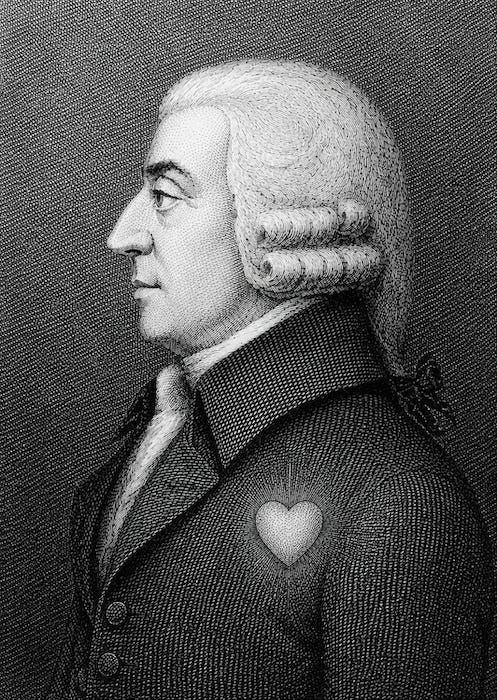
One unexpected thinker who saw both sides of this drive was Adam Smith. Most people know Smith as the father of economics. He’s the invisible-hand guy you learned about in high school history. But before he wrote The Wealth of Nations, he wrote another book: The Theory of Moral Sentiments. It’s not a book about markets or money. It’s about how to live a good life.
In it, Smith lays out one of the clearest, most human explanations I’ve ever read on why we chase status, why it so easily goes off the rails, and how we can evolve that same desire into something virtuous and ennobling.
